
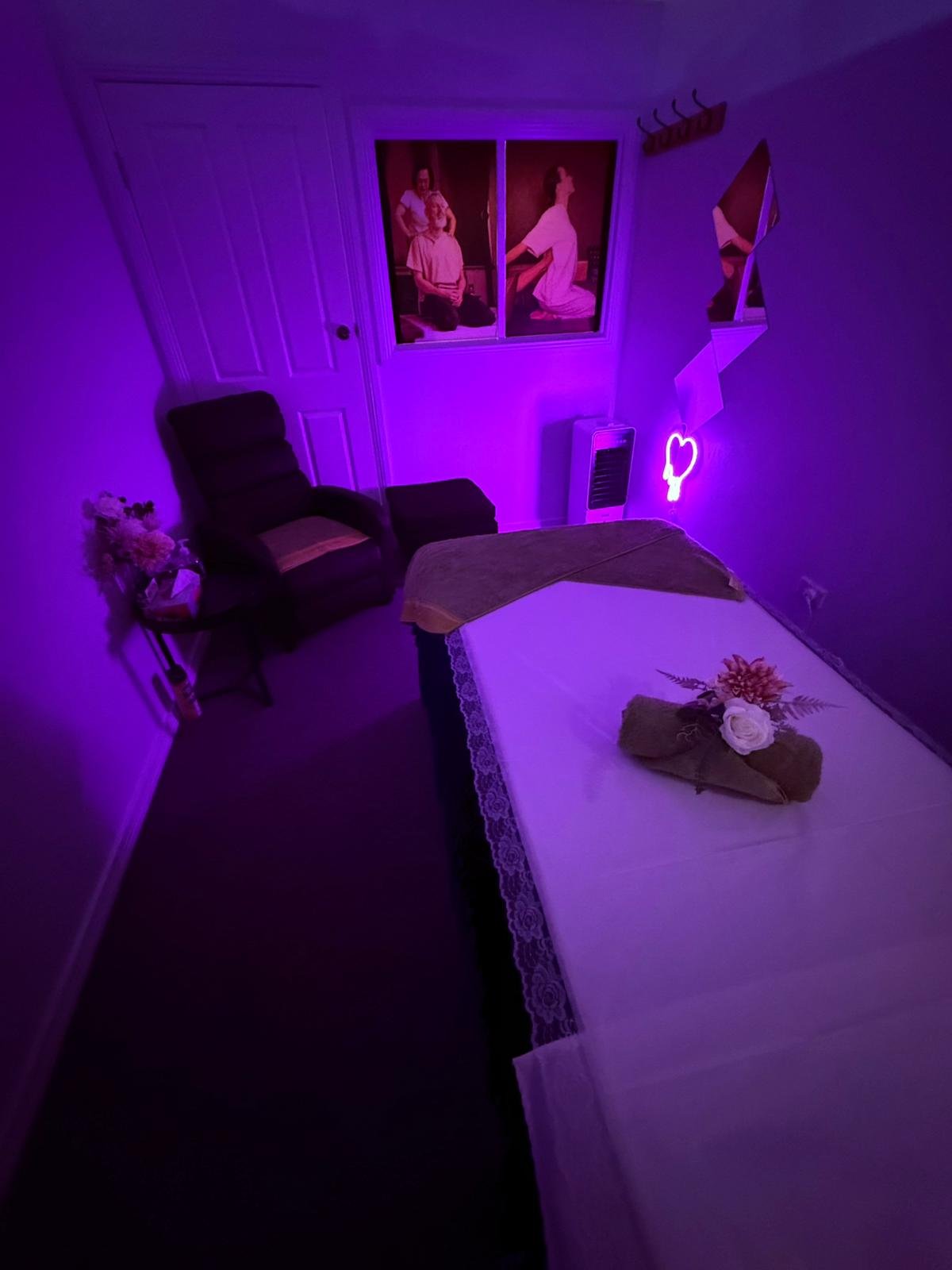
Deep Tissue Massage









Deep Tissue Massage is a therapeutic technique that works on the deeper layers of muscle, fascia, and connective tissue. By applying firm, slow pressure and targeted strokes, it releases chronic muscle tension, breaks down adhesions (knots), and encourages proper muscle alignment.
It’s particularly effective for people experiencing long-term tension, postural stress, muscle tightness, or chronic pain.
Key Benefits
Relieves chronic pain and stiffness
Especially in areas like the back, neck, shoulders — common in people with sedentary jobs or heavy physical work.
Breaks down muscle knots and adhesions
improving mobility and muscle elasticity.
Improves circulation to deep tissues
supporting healing, nutrient delivery and reduction of inflammation.
Supports posture correction and muscular balance
helpful for those with posture-related tension or imbalance due to desk work, manual labour, or repetitive movement.
Aids recovery from overuse or sports injuries
by improving tissue flexibility and reducing tension that may impair performance or healing
Reduces overall stress in deep-layer tissues
which can lead to better physical comfort, reduced pain, and improved mobility.
Who It’s Ideal For
- Individuals with chronic muscle tightness, recurring pain or stiffness (e.g. lower back, shoulders, neck).
- People with posture-related discomfort (desk workers, manual labour, prolonged standing/sitting).
- Athletes or physically active clients needing muscle recovery, flexibility, or injury prevention.
- Clients with a tolerance for firm pressure and who are looking for therapeutic – rather than purely relaxing – treatment.
What to Expect During a Session
- A targeted consultation at the start: we’ll discuss any pain, discomfort, posture issues, or areas of concern.
- Firm, slow pressure and deep, focused strokes. Therapist may spend extra time on troubled areas.
- Communication throughout: we will check in regularly to make sure pressure is comfortable and suits your tolerance.
- A feeling of muscle release, tension melting, and increased mobility by the end of the session.
Aftercare & Recommendations
- Drink adequate water after the session to support circulation and recovery.
- Avoid intense strenuous exercise immediately after — allow muscles to rest and reset.
- Perform gentle stretching or light movement over the next 24–48 hours to encourage flexibility.
- Regular sessions may help maintain muscle health, posture, and relieve recurring tension.